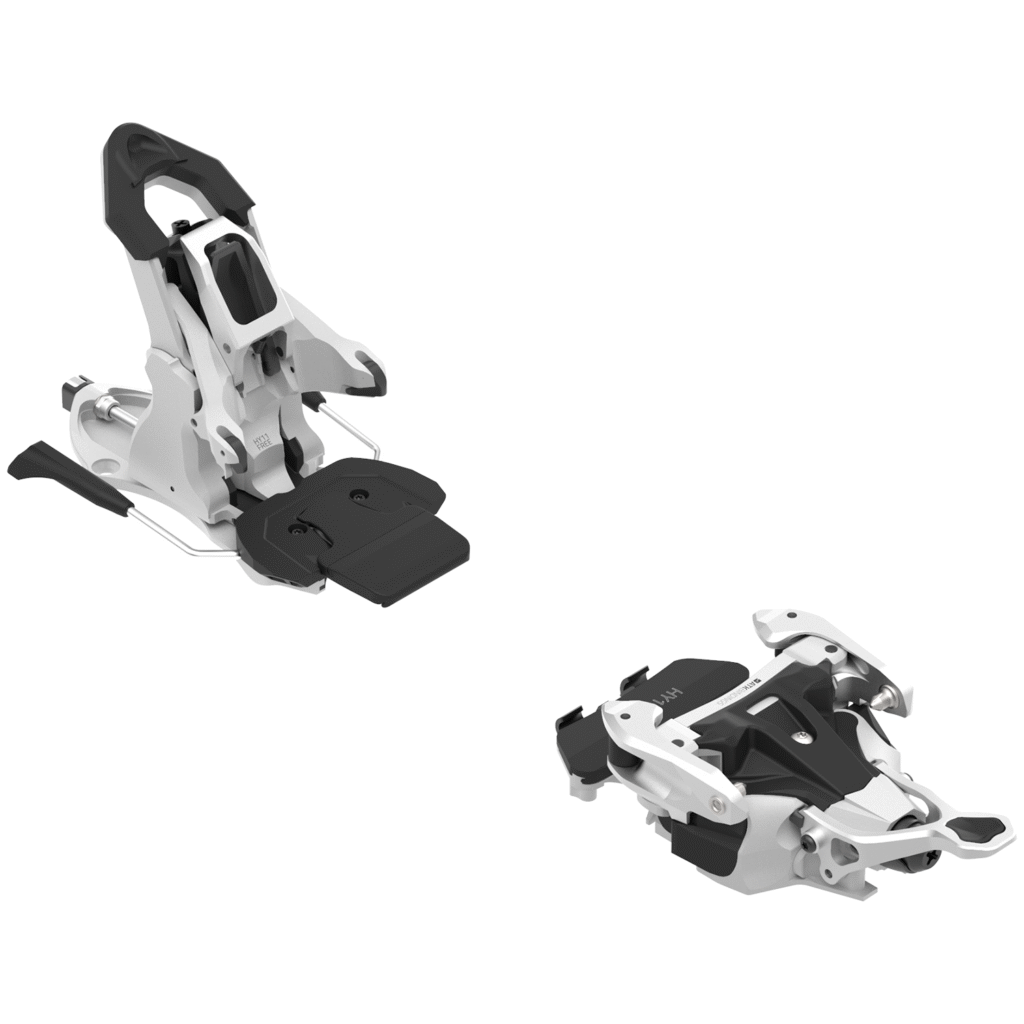


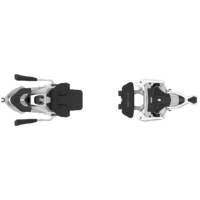
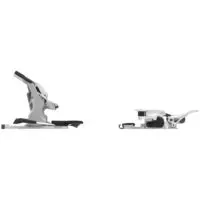
There are a few different types of bindings that all serve separate purposes. It is important to take into consideration where you spend the most time on the mountain and how aggressively you will be skiing.
Downhill / Alpine
Alpine bindings constitute the largest majority of the market. Since these bindings are primarily focused on the retention/release in regards to the ski boot, they have the highest amounts of elasticity which guarantees the best release possible. When you’re looking at alpine bindings, it may be hard to tell what the difference is and why you would splash out a bit more for one versus the next. Here’s a few of the major differences:
- Materials: One of the more noticeable things that change between bindings. Less-expensive bindings are often made with durable plastic which keeps them lightweight. This is great for a more relaxed or lighter skier, but might not be durable enough for someone bigger or more aggressive. As you jump into some of the higher-end bindings, many of them are reinforced with carbon, magnesium, aluminium, and even steel in some cases. This gives them a longer life even when they take a beating often.
- Elasticity: Maintains the fine line between pre-releasing and releasing when you need to. The more elasticity a binding has, the better it’s ability to release at the exact right moment. This is very important in disciplines such as freeride, freestyle, and race where large amounts of force are exerted into the binding regularly.
- Release mechanisms: Vary slightly from binding to binding. Some bindings have added forms of release such as an upward release in the toe or rotating heel units. These added features ensure the smoothest natural release in any situation.
Sole norm compatibility – a very important thing to keep in mind when buying a binding. Most recent alpine bindings can take a variety of sole norms including Alpine, AT, WTR, and Gripwalk. However, some can only take one or two of these. Check with us if you’re unsure on what your boot is compatible with.
Touring
When choosing an touring binding the first thing to think about is what your ratio of touring to resort skiing will be. While a lightweight pin binding will be great for a long tour, it won’t always hold up to the rigors of constant laps at the resort. Likewise a frame binding will provide a very solid platform to ski on and a great reliable release, but it will be a lot of extra work on day long and multi-day tours. Finding the balance is key.
- Pin tech: These bindings are the lightest options and typically have the easiest touring functions to use. They usually have a simple switch between touring and skiing, and they all have climbing aids for steeper terrain. They have a simple point release in the toe and usually a vertical and lateral release in the heel. Some newer options have an alpine style heel peice for a more consistent release out of the heel, and some even have a lateral release out of the toe which is a major aid in knee injury prevention. Pin tech bindings should be primarily reserved for touring use and time used on the resort should be limited.
- Frame: frame bindings provide all the safety and durability of an alpine binding, but with the added capability to tour. These are a great option for people who ski primarily inbounds but may do a few tours a year as well. They are also great if you are on a budget.
- Crossover: This has just started to become an important sector in the alpine touring category. These bindings have the ability to be converted between pin binding and alpine binding styles. This gives the ease of touring up on a tech binding while giving you the safety characteristics of an alpine binding. These are heavier than your average pin binding, but have fairly significant weight savings over a frame binding.
Every ski binding comes with a different range of DIN settings. Often times you might be looking at two bindings that are identical besides different DIN ranges. What do you choose? When selecting a binding it is important to make sure the range provided will suit the DIN setting that you require. It is also important to make sure you are well within the range rather than sitting right at the minimum or maximum settings. We can help you out with figuring out where you fall in this range if you are unsure.
Make sure that any adjustments to ski bindings (even slight) are done by a certified ski technician. Ski bindings are your main safety equipment on your setup and even the smallest incorrect adjustment can result in a preventable injury.
Choosing the right width brake of your binding ensures that the brakes won’t overhang, drag, or get caught. You’ll want to choose the brake that is equal to or slightly wider than the ski itself. If you’re unsure about what size you’ll need give us a shout!
There are five main types of bindings which can safely take different types of ski boot soles. Below is a chart of the binding types vs the sole types and what is and isn’t compatible.

* Boot needs tech fittings to be fully compatible