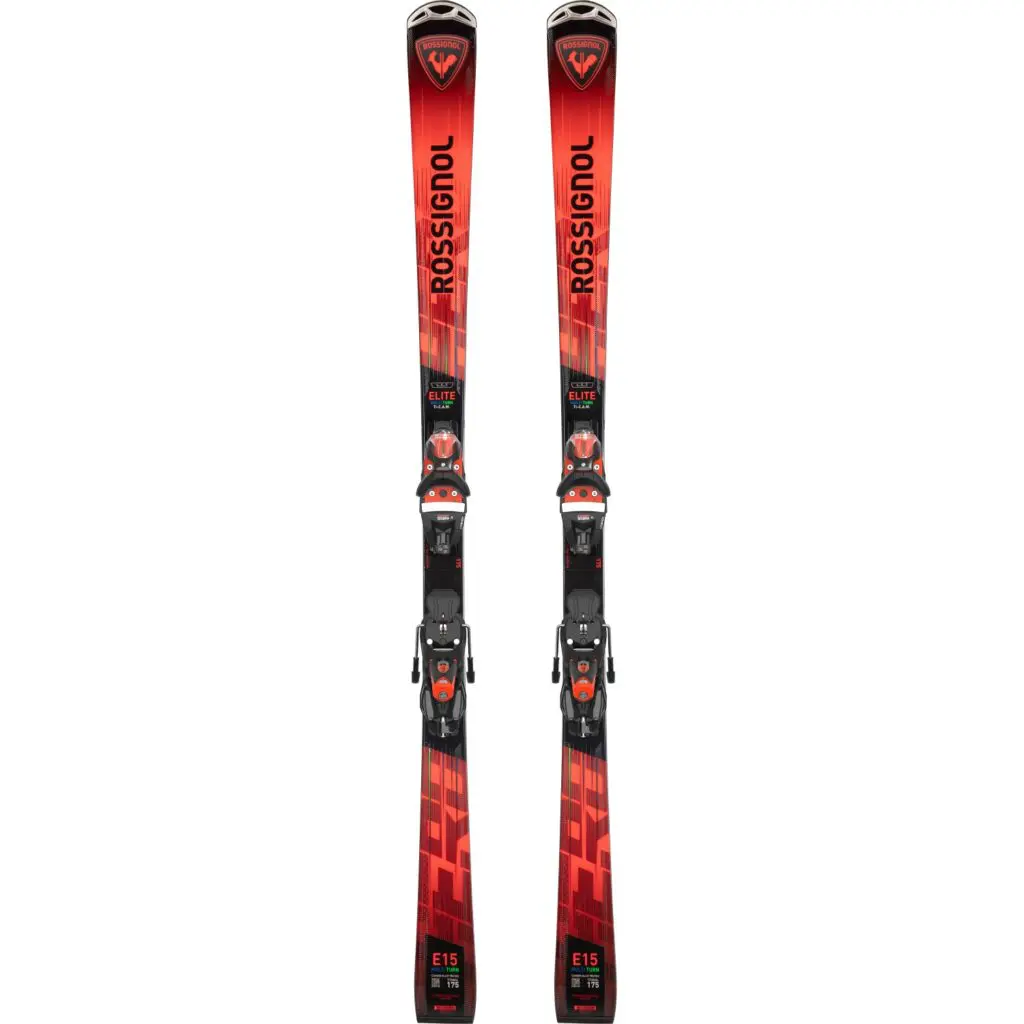


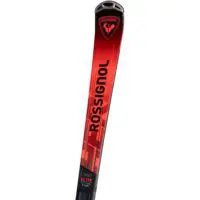
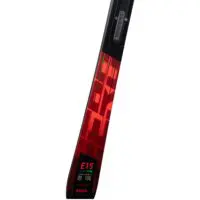
The Rossignol Hero Elite Multi-Turn TI is a race-inspired piste ski built for skiers who want precision, stability, and confidence on groomed terrain in New Zealand or overseas resorts. Designed to be accessible without sacrificing performance, it delivers a powerful, controlled feel that rewards clean turns at a wide range of speeds. A 74 mm waist and versatile multi-turn sidecut allow for quick edge-to-edge transitions and smooth turn shape changes, while Rossignol’s Line Control Technology (LCT) enhances stability by reducing unwanted flex through the ski. The result is a stable, responsive ski that holds its line and feels predictable from first turn to last. If carving is your thing, you can’t go wrong here.
Bindings Included: Yes
Recommended Binding: Look SPX 12 Konect
Type: Carving
Geometry: 124/74/109
Radius: 15m @ 175cm
Weight: 1900g/ski @ 175cm (without binding)
Titanal Beam
Titanal Beam enhances power underfoot for increased edge grip, rebound, and energy through the length of the ski.
PEFC Poplar Wood Core
The PEFC Poplar wood core ensures a good balance dampness, elasticity and weight savings.
Carbon Alloy Matrix
A new generation of super-fiber, Carbon Alloy Matrix delivers high-definition (HD) power, stability, and edge grip while remaining ultra-lightweight. Our unique carbon/basalt diagonal weave combines with linear glass stringers, delivering a balanced flex from tip-to-tail with dynamic mobility, maximum vibration absorption, and titanal-like strength.
V-Profile
The V-Profile technology offers a perfect balance of flex and pop to provide an energetic boost with a smooth connected flex. The 3D shape of the V-Profile layer structurally builds power and energy, enhancing stability and active pop while maintaining grip and precision in every turn.
LCT
Rossignol’s “Line Control Technology” harnesses pure power and energy, providing optimal stability and line control in all conditions. The integration of the “central vertical power rail” in the wood core, eliminates counter-flex to ensure constant stable snow contact, giving dynamic control of your line while retaining the ski’s energy.
Oversized Sidecut
Combining deep carving sidecuts with wider, modern waist widths, our Oversize Sidecut delivers powerful carving precision and edge grip with increased stability and control.
Additional Features:
- Premium Hardtop
- Rectangular Full Sidewall
- Tip Rocker
- Sintered HD Base
Ability Levels

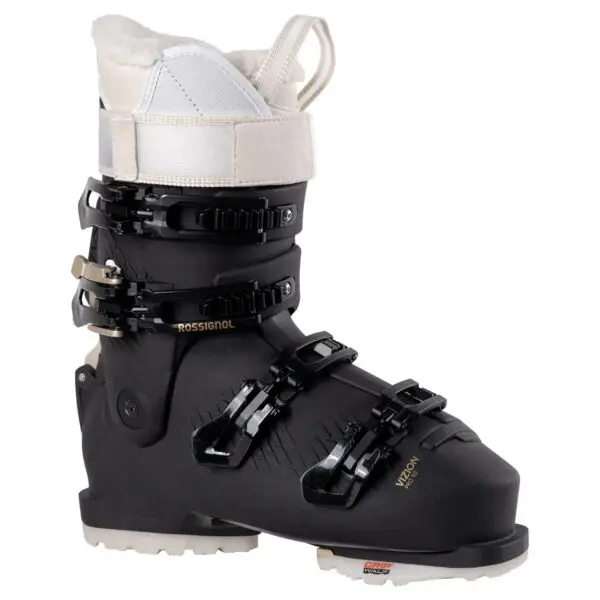
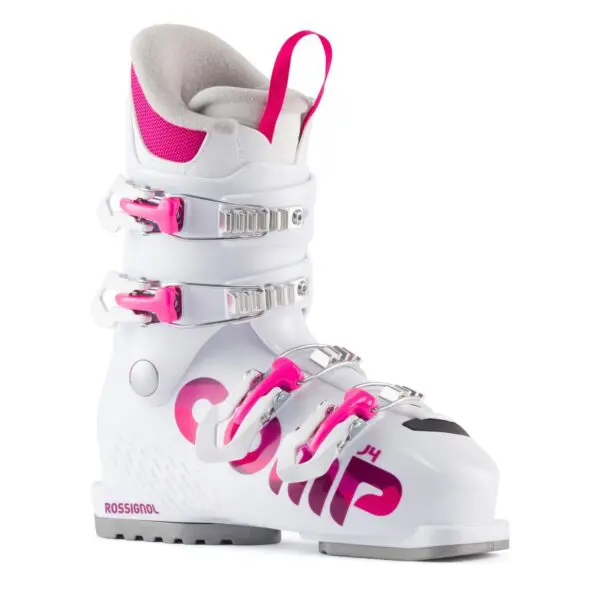
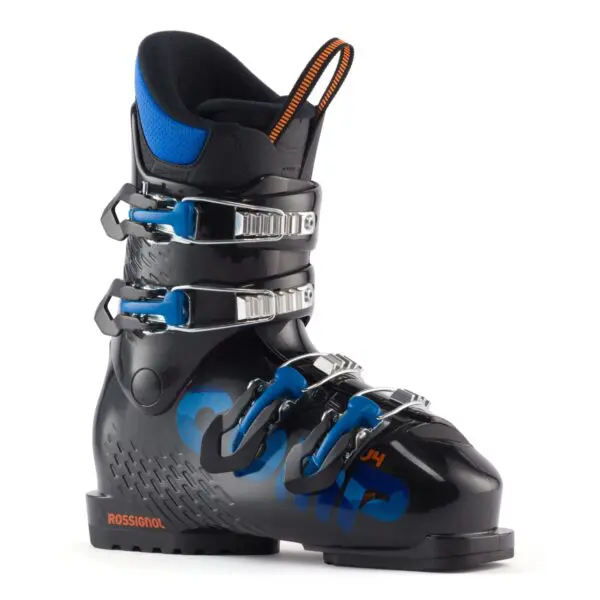
Beginner – Intermediate

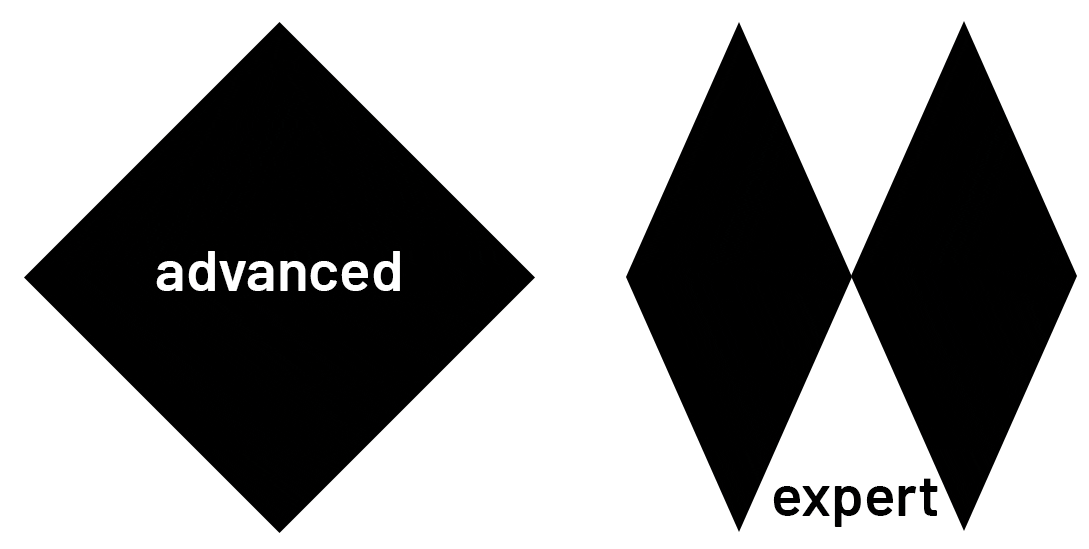
This level covers new skiers that are getting to grips with the basics through to those who are cruising around the slopes linking turns top to bottom. Skiing predominantly on the groomed/prepared trails. This gear is more forgiving and encourages good progression to the next level.
Intermediate – Advanced

A majority of skiers fit into this level. These skiers can carve a good turn on the groomers as well as ski steeper freeride terrain or powder. This ability can ski with good speed and finesse in most snow types. The gear suited for this level can be pushed but is unlikely to be punishing if technique is off or a more chilled approach is taken.
Advanced – Expert

Experienced skiers that have an aggressive ski style and demonstrate a higher level of technique whether on groomed runs or the steepest chutes on the mountain. These skiers demand stronger equipment that is performance focused, usually stiffer and requires more input to get the most out of it.
Skis fall under different categories. The snow type or terrain you spend most of your time skiing on determines which ski would suit you the best. We have defined each ski category below to help you understand what ski you should be looking for.
Carving Skis
Also referred to as piste skis, groomer skis or frontside skis. Carving skis are built to arch turns on prepared trails. They are typically narrower, around 70-80mm underfoot and have a nimble and quick edge-to-edge feel. Carving skis are constructed to hold and edge on firm and icy snow. Everyone should own a carve ski, it’s a good skill to have, from beginners to experts.
All-Mountain Skis
All Mountain skis share a lot of characteristics to a carve ski but usually with a slight wider waist width. All-mountain skis are better suited to someone that likes the feel of carving but heads off trail on occasions. The wider geometry under foot, helps in unprepared snow.
Freeride Skis
Freeride skis usually start around 90mm in the waist. The wider body helps with stability on ungroomed snow. Freeride skis tend to float better in powder and are easier to pivot (skid turn) thanks to longer and deeper rocker lines. A longer radius helps eliminate a catchy or grabby feel when in variable snow.
Freestyle Skis
These skis are developed for skiers looking for a playful feel. Freestyle skis are designed to perform tricks in the air or off features. The skis are designed with turned up tails (twin tips) that allow the skier to land backwards (switch/fakie). The tips and tails are often softer to help with absorbing landings, but also give good rebound or pop.
Backcountry/Touring Skis
Backcountry skis are designed with some degree of uphill in mind, and lighter weight being the top factor. Backcountry skis come in a broad spectrum of waist widths and even different weights. Super light for uphill focus and medium weight for all round performance.
Powder Skis
Powder skis boast the fattest of waist widths, usually 110mm+. They have extremely deep and long rocker lines for maximum float in soft snow. They totally excel in deep untracked snow, perfect for Heli skiing, powder days or overseas skiing.
Race Skis
Race skis are the ultimate in performance, designed to be skied on the firm groomed trails at high speeds. The edge hold on a race ski is second to none, due to its solid construction. They require a very aggressive and technical skier to be able to control them.
The ski waist width (underfoot measurement) is one of the most crucial numbers when selecting skis. This measurement corresponds to the terrain/snowpack you will be most likely skiing on. A wider waisted ski is better for flotation in soft snow but can be harder to manage on firm conditions. A narrow waist ski offers quick edge-to-edge performance, but less stability in rough conditions.
60-79mm
These dimensions under foot are best for the skier that is dedicated to skiing on groomers and usually on firmer snow. The narrow waist offers quick edge-to-edge response and better power transfer that delivers higher levels of edge hold on ice. Best for aggressive on-trail skiers looking for high angle carving.
80-89mm
This waist range offers more stability to the ski. The extra width acts as a stable platform when the snow gets a little rough or cut-up on groomers. It shines on firm snow and is best for groomer skiers.
90-99mm
This is at the narrower end of the freeride skis. These skis offer the most versatility in the fact they can handle carving medium turns on-trail and are just as happy skiing off-trail in untracked snow, bumps, and steeps. When the snow is deep, a wider ski surfs much better.
100-109mm
Wider freeride skis offer more flotation in deep snow, plus the extra width provides maximum stability when charging through rough unprepared terrain at speed.
110mm+
This width is designed for the skier that spends all their time freeriding in soft snow. They are harder to manage on firmer groomers and often have longer radii. This wide platform is the ultimate for flotation in deep powder and keeps the skier on the surface.
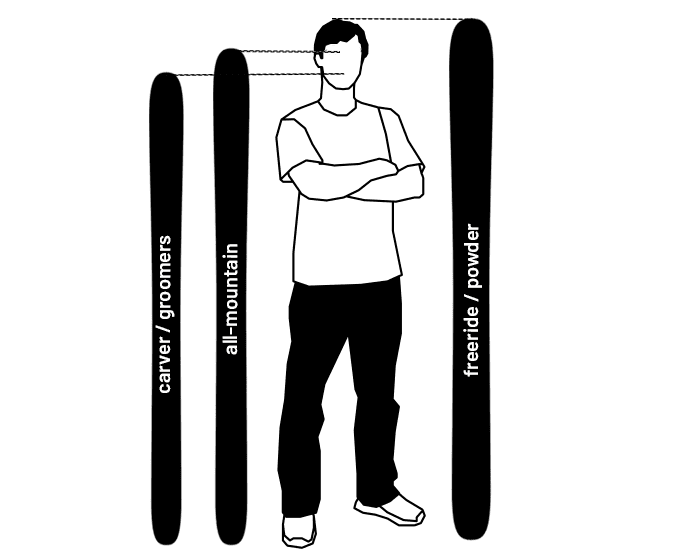
There are many different factors to consider when selecting the correct ski length. Height and weight are a good starting point but many other considerations need to be taken into account. Like the typeof ski you are buying, the rocker profile of the ski, the snow conditions you aim to ski on, and your ability level.
Carving skis typically have a shorter turn radius and are designed to be skied in shorter lengths. All-mountain skis have a slightly wider waist width and are designed to be skied a little longer than carving skis for added stability in variable terrain. Freeride and backcountry skis are designed to be skied between eye and head height depending on rocker profile.
Reasons to go shorter:
• You are lighter than average for your height
• You prefer shorter turns
• You ski on-trail most of the time
• You are not an aggressive or fast skier
Reasons to go longer:
• You ski hard and fast
• You prefer longer turns
• Your weight is above average for your height
• You ski off-trail in variable conditions
• You are looking at a ski with a long rocker profile
Radius: The radius defines the turning shape of the ski. E.g. a short radius is around 11m, a medium 17m and long radius is around 21m. A short radius means the ski will turn quicker, fun on groomers. A longer radius is better in variable terrain as it won’t hook-up and grab making it more predictable.
Pivot: To turn/maneuver the ski in a skidding motion
Charger: Has a stable feel at high speeds, supportive with long effective edge. Tracks perfectly.
Playful: Fun and poppy. Good for freestyle and softer snow.
Damp: Composed at speed on firm snow, quiet in terms of micro movements. E.g. a metal laminate ski is damp, a light-weight core ski is not damp.
Directional: Skiing in a forward direction with a carving inspired stance. Doesn’t ski switch or freestyle.
Variable Snow: A mix of hard and soft snow. Can be grabby and unpredictable to ski through.
Taper: The widest point of the ski tip and tail is brought closer to the centre. Taper reduces a catchy/hooky feel laying the ski over, but on flip side loses some of the carvability.
Sidewall: Sidewall construction is a traditional style of building skis, it’s the strongest, offering more power to the edges, torsional strength, and more robustness.
Titanal: Often referred to as “Ti” or metal. Titanal is a alloy mix used in some ski construction to make the skis more damp and stable. Hardly any skis on the market are made from Titanium.